4 Most Common Commercial Air Conditioning Issues for Offices
A comfortable office environment plays an important role in employee productivity and overall workplace satisfaction. When temperatures rise or airflow becomes inconsistent, it can quickly disrupt daily operations and make it difficult for staff to focus on their tasks. That is why a reliable commercial air conditioning system is essential for maintaining comfort and efficiency throughout the workday. When cooling systems perform consistently, employees can focus on their responsibilities without being distracted by uncomfortable indoor temperatures.
Even well-maintained systems can experience occasional problems over time. Office buildings rely heavily on their cooling systems, especially during warmer months, and continuous use can lead to wear and tear. Knowing what some of the most common commercial cooling issues are can help property managers and business owners recognize early warning signs and address problems before they become larger disruptions. Taking a proactive approach to these concerns can help offices maintain a stable and comfortable work environment year-round.
1. Inconsistent Cooling Throughout the Office
One of the most common commercial air conditioning issues in office settings is uneven or inconsistent cooling. Some areas of the office may feel comfortable, while others remain noticeably warmer or cooler. This can create frustration among employees and may even lead to productivity challenges if people struggle to stay comfortable while working. Over time, these temperature differences can also lead to repeated thermostat adjustments that strain the system further.
Inconsistent cooling can occur for several reasons. Air distribution problems, blocked vents, or poorly balanced ductwork can prevent cooled air from reaching certain parts of the building. In larger offices, complex layouts and multiple rooms may also make it difficult for air to circulate evenly throughout the space. Even small airflow obstacles, such as furniture placement or closed interior doors, can sometimes contribute to uneven temperatures.
Thermostat placement can also influence how effectively a system regulates temperature. If a thermostat is located in a part of the office that stays cooler than the rest of the building, the system may shut off before other areas reach a comfortable temperature. This can cause certain offices or conference rooms to remain warmer than intended. In some cases, offices may benefit from additional sensors or zoning adjustments to improve temperature balance.
Addressing inconsistent cooling usually begins with a careful inspection of airflow and system performance. Identifying airflow restrictions, adjusting vents, and ensuring the system is properly balanced can help restore more even temperature control across the entire office. When these adjustments are made correctly, employees across the building are more likely to experience consistent comfort throughout the day.
2. Reduced Airflow From Vents
Another frequent issue offices encounter is reduced airflow from air vents. When the air conditioning system is running, but the airflow feels weak, the office may struggle to cool down effectively. Employees may notice that rooms take longer to reach the desired temperature or that the air feels stagnant. This situation can make meeting rooms, workspaces, and common areas feel less comfortable during busy hours.
Clogged air filters are one of the most common causes of restricted airflow. Over time, filters collect dust, debris, and other particles from the air. If they are not replaced regularly, these particles can build up and limit how much air passes through the system. As airflow becomes more restricted, the cooling system may also need to run longer to maintain the desired temperature.
Ductwork problems can also contribute to weak airflow. Leaks, blockages, or poorly connected ducts may allow cooled air to escape before it reaches the intended rooms. This can make the air conditioning system work harder while still failing to deliver consistent airflow. In large office buildings, even minor duct issues can affect multiple work areas at the same time.
Regular inspections and maintenance can help keep airflow problems under control. By keeping filters clean and ensuring that ductwork remains clear and properly connected, offices can maintain steady airflow and support efficient cooling performance. Consistent airflow not only improves comfort but can also help the cooling system operate more smoothly overall.
3. Unusual Noises From the Cooling System
Commercial air conditioning systems normally operate with a steady, low level of background noise. When employees begin to hear rattling, grinding, or buzzing sounds, it may indicate that something within the system requires attention. Unusual noises are often an early warning sign of developing mechanical issues. Paying attention to these sounds can help offices address small problems before they grow more serious.
Loose components are a common cause of rattling or vibrating sounds. As systems run day after day, fasteners and internal parts may gradually shift out of place. When this happens, components may move or vibrate during operation, creating noticeable noise. These sounds may start out quietly but can become more noticeable if the issue continues.
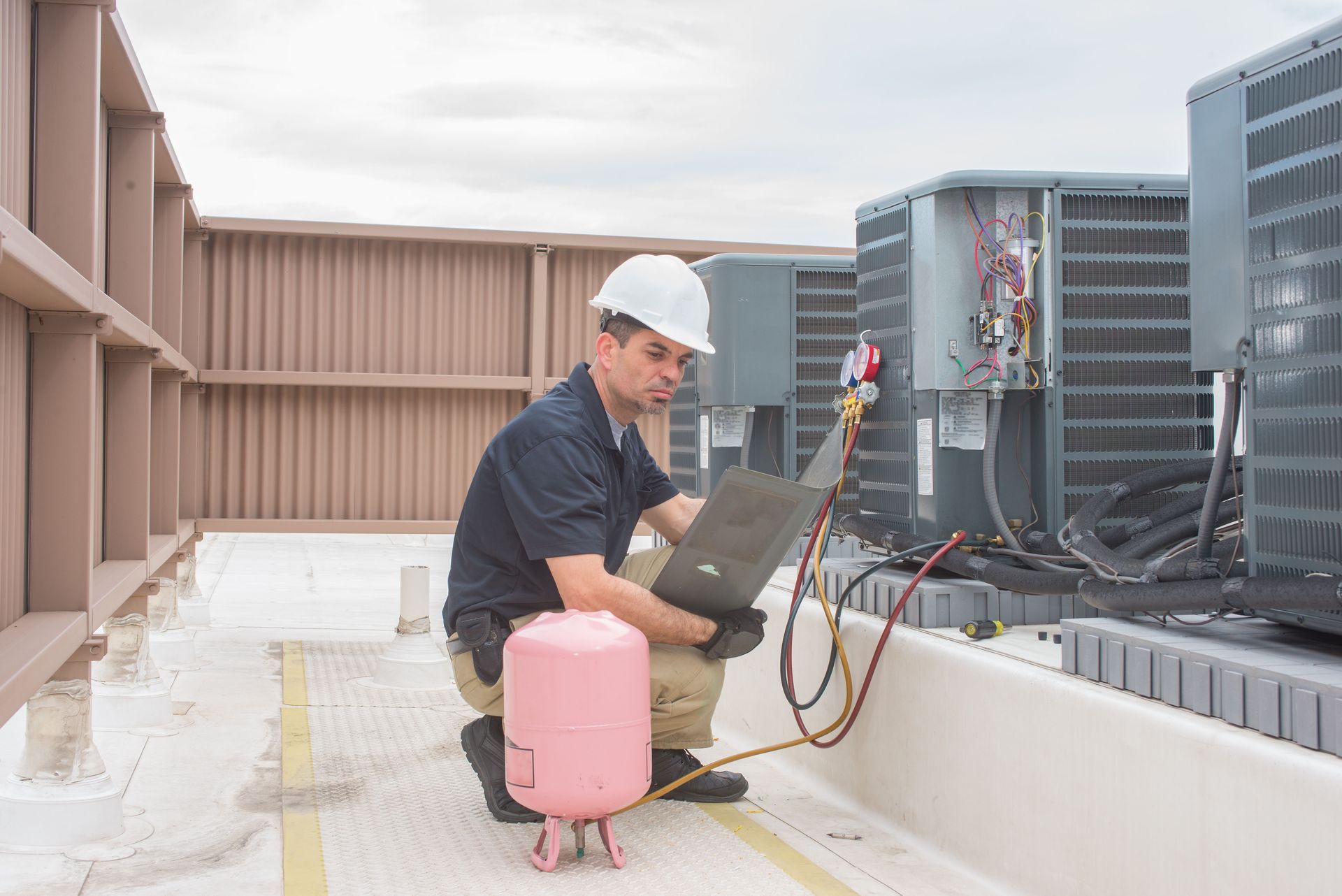
Mechanical wear can also produce grinding or squealing sounds. Parts such as motors or fan components may experience friction over time, especially if they are not receiving proper maintenance. If left unchecked, these issues may eventually lead to more serious system problems. Addressing worn components early can help prevent larger disruptions to the office cooling system.
Responding quickly to unusual sounds can help prevent larger repairs later. Routine inspections allow technicians to tighten loose components, identify worn parts, and ensure that the system continues to run smoothly without causing unnecessary disruptions in the workplace. Early attention to mechanical concerns often helps extend the life of important system components.
4. Aging Systems and Declining Efficiency
As office air conditioning systems age, their performance may gradually decline. Even if the system continues to operate, it may struggle to maintain consistent temperatures or require more energy to cool the building effectively. This is one of the most common long-term commercial AC concerns for offices. Gradual performance changes can sometimes go unnoticed until comfort issues begin affecting daily operations.
An aging system may begin cycling more frequently or take longer to cool down the workspace. Employees may notice that the office feels warmer during peak hours or that the system runs longer than it used to. These changes often indicate that internal components are wearing down over time. As a result, the system may become less efficient while trying to maintain the same level of comfort.
According to Carrier, most AC units last between 15 and 20 years with proper maintenance. While this lifespan can vary depending on usage and service history, regular maintenance often helps extend system performance and keep cooling equipment operating reliably for many years. Consistent service can also help identify aging components before they lead to unexpected system failures.
If cooling efficiency begins to decline, scheduling professional inspections and routine maintenance can help extend the system’s lifespan and support consistent comfort within the office environment. Planning for eventual system upgrades can also help offices avoid sudden disruptions.
Office buildings rely heavily on dependable cooling systems to maintain comfortable working conditions. When commercial cooling systems experience issues such as inconsistent cooling, reduced airflow, unusual noises, or aging equipment, the effects can quickly be felt throughout the workplace. Recognizing these problems early can help businesses respond before they grow into larger concerns.
Routine commercial air conditioning inspections, proper maintenance, and timely attention to warning signs can help keep cooling systems operating efficiently while supporting a comfortable environment for employees and visitors alike. Taking these preventative steps can also help extend the lifespan of commercial cooling equipment.
At BOB'S Heating and Air Conditioning, we're ready to keep your office comfortable year-round. Count on our team to keep your air conditioning system running efficiently and reliably.
Share On: