
Could Upgrading Your Air Conditioning Lower Your Energy Costs?
Explore the potential benefits of upgrading your air conditioning system, particularly focusing on energy efficiency and cost savings. This article will delve into the factors that contribute to lower energy consumption and how a new system could impact your energy bills. With climate change leading to more intense heatwaves, the demand for efficient and sustainable cooling solutions has never been more critical. Homeowners are often faced with the decision of whether to continue maintaining older units or invest in new, more efficient air conditioning systems. Understanding the multiple aspects of energy reduction and financial savings is key to making a well-informed decision about upgrading your air conditioning system.
Understanding Energy Efficiency Ratings
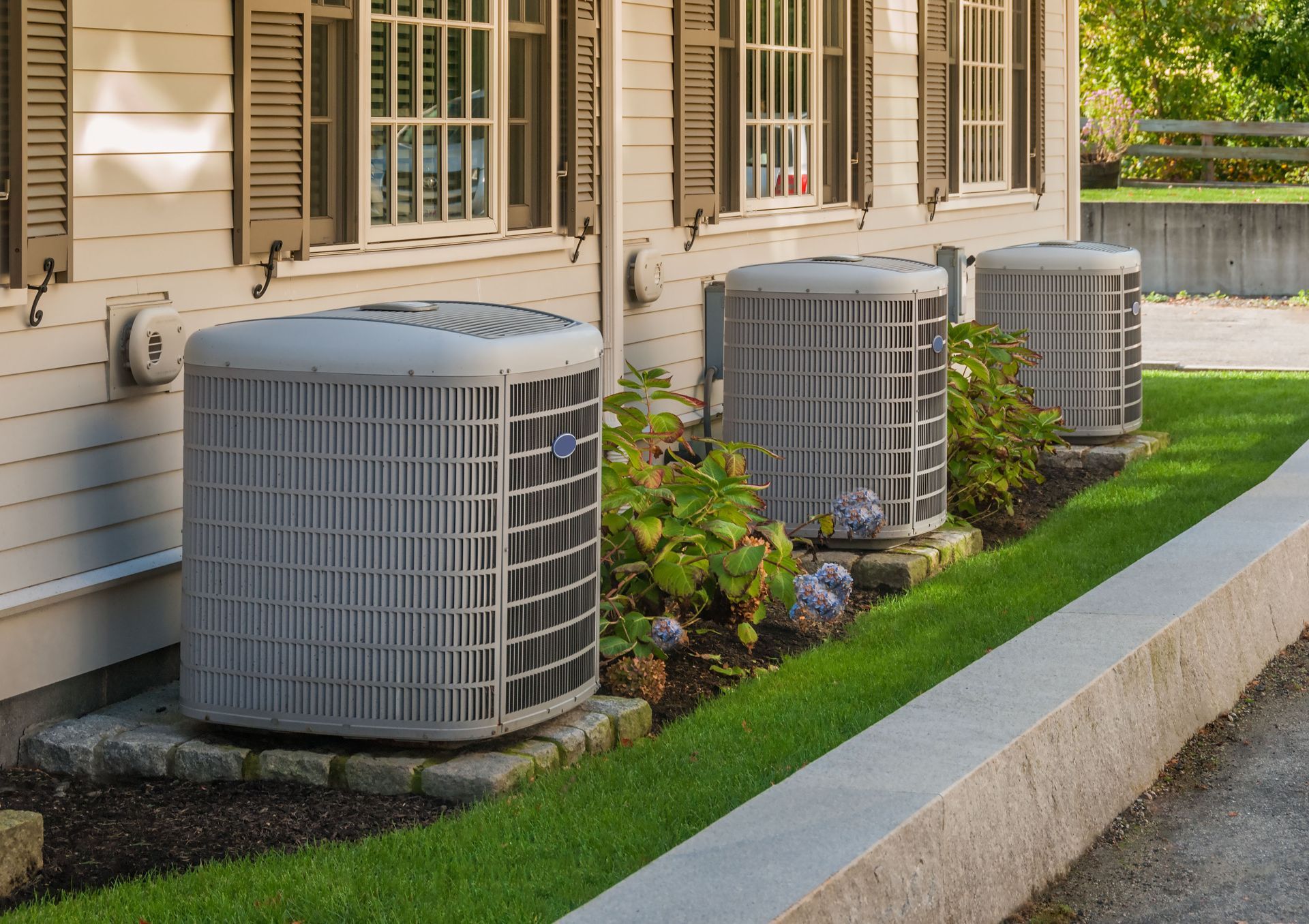
The Seasonal Energy Efficiency Ratio (SEER) is a measure of an air conditioning system's cooling output over a typical cooling season divided by the total energy input in watt-hours. A higher SEER rating indicates a more efficient air conditioning system, which can lead to significant energy savings over time. For example, an older unit with a SEER rating of 10 replaced by a new unit with a SEER rating of 16 or higher can dramatically lower energy consumption. According to experts, units with higher SEER ratings can cut down energy use by 20-40%. Therefore, upgrading to a high SEER-rated air conditioner can provide substantial reductions in energy bills while also lessening the environmental impact.
Another significant marker of energy efficiency in air conditioners is the Energy Star certification. This certification is awarded to air conditioners that meet specific energy efficiency guidelines set by the Environmental Protection Agency (EPA). To earn the label, an air conditioner must use significantly less energy than the minimum standards mandated by law. Energy Star-certified air conditioners typically have a higher SEER rating, meaning they consume less energy and cost less to operate than non-certified units. By choosing an Energy Star-certified product, homeowners are assured of improved comfort without excessive energy costs.
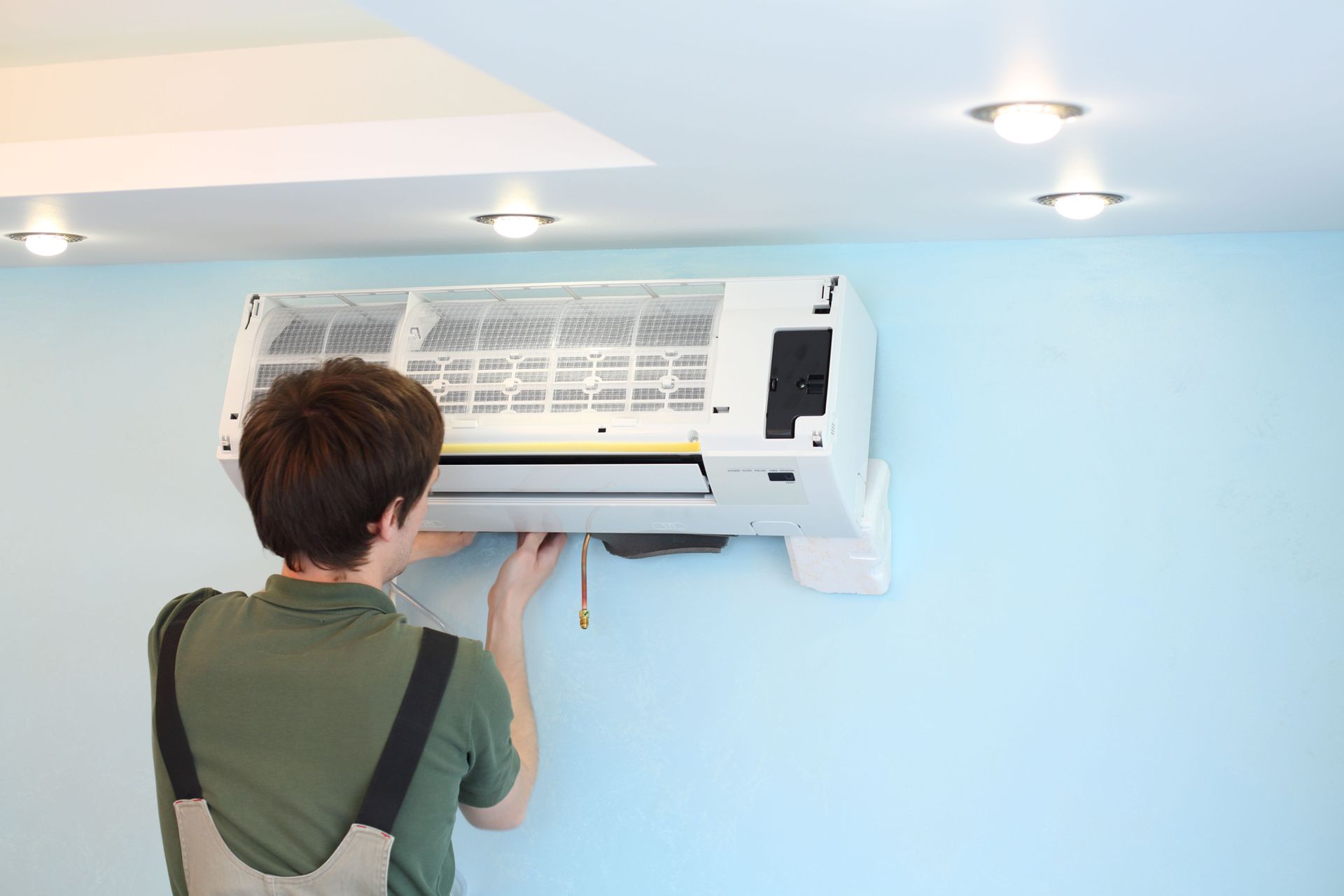
The differences between old and new air conditioning systems are stark, particularly in terms of energy efficiency. Older units, especially those manufactured more than ten years ago, generally operate with much lower efficiency than their modern counterparts. Newer systems often incorporate advanced technologies and materials that enable them to cool more effectively while using less energy. According to EnergySage, air conditioners use 500 to 4000 watts of electricity on average, with newer units tending to fall at the lower end of this range. These technological advancements in newer systems can dramatically cut down electricity use, reduce utility bills, and provide better overall performance.
Technological Advances in Modern AC Systems
Inverter technology represents a significant advancement in air conditioning, providing improved efficiency and more consistent temperatures compared to traditional systems. This technology allows the compressor to adjust its speed to match the cooling demand precisely, avoiding the energy wastage associated with the start-stop cycles of conventional systems. Consequently, inverter air conditioners generally consume less electricity and maintain a more stable indoor climate. Besides being quieter and more durable, they are known for their ability to reduce energy consumption significantly. This efficiency can lead to lower energy costs, especially in regions with prolonged cooling seasons.
Smart thermostats are another technological breakthrough that enhances the efficiency of modern air conditioning systems. They offer advanced features like remote control via smartphone apps, learning user behaviors, and integrating with other smart home devices. By optimizing usage patterns and intelligently controlling the temperature, smart thermostats can lead to significant energy savings. These devices can also provide insights into energy consumption, helping homeowners make more informed decisions regarding their cooling habits. Such intelligent energy management systems contribute to reduced electricity consumption and lower utility bills, making them a worthwhile consideration in any HVAC upgrade.
Zone control systems offer another layer of efficiency by allowing customized temperature settings for different areas of a home. This feature is beneficial in larger houses where varying cooling needs are typical across different rooms. By directing air only where it's needed, zone control systems prevent energy wastage from cooling unoccupied spaces. This technology not only enhances comfort by maintaining optimal temperatures in occupied areas but also reduces overall energy use. The result is lower utility bills and a more environmentally friendly home cooling solution.
Cost-Benefit Analysis of Upgrading Your AC
The decision to upgrade an air conditioning system often hinges on weighing the initial investment against potential long-term savings. Although newer units might come with a higher price tag, their improved efficiency means lower operational costs over time. Calculating the payback period, how long it will take for energy savings to offset the initial cost, can help in making the right choice. Many homeowners find that the energy savings and enhanced performance of newer systems justify the upfront investment. Furthermore, the reduction in operational costs can free up financial resources for other expenses or environmental initiatives.
Government rebates and incentives can play a crucial role in making air conditioning upgrades more affordable. Programs at the federal, state, and local levels often support homeowners who choose energy-efficient models by providing financial incentives. These initiatives help to reduce the initial cost burden, making upgrades more financially accessible. Additionally, certain utilities offer rebates specifically for installing high-efficiency appliances, further sweetening the deal. By taking advantage of these programs, homeowners can significantly offset the costs associated with upgrading to more efficient air conditioning systems.
Installing a modern, energy-efficient air conditioning system can also enhance the value of a property. Potential buyers are increasingly prioritizing energy efficiency and sustainability when evaluating homes, and a high-efficiency AC system can be a selling point. Not only do they promise reduced energy bills, but such systems also reflect a commitment to energy conservation. A newer system can increase the overall attractiveness of a home, particularly in competitive real estate markets. Given these benefits, upgrading an air conditioning system can provide both immediate and long-term returns on investment through increased property value.
Environmental Impact of Newer AC Units
Upgrading to an energy-efficient air conditioning unit significantly reduces a household's carbon footprint. Efficient systems use less electricity, which often results in fewer greenhouse gas emissions. Considering that air conditioners can use 500 to 4000 watts of electricity on average, a reduction in energy consumption can contribute substantially to environmental preservation. In addition, many modern units are designed with parts and materials that have a lesser environmental impact during production and disposal. By choosing a more efficient system, homeowners can play a part in fostering a sustainable future.
Another environmental advantage of newer air conditioning systems is the widespread use of eco-friendly refrigerants. Unlike older units that use ozone-depleting substances like R-22 (commonly known as Freon), modern systems often use R-410A, a refrigerant that has less impact on the ozone layer. This transition not only helps reduce damage to the earth's atmosphere but also often results in better system performance. The shift to eco-friendly refrigerants represents a significant advancement in minimizing the environmental impact of air conditioning systems. It's important for homeowners to consider the type of refrigerant used when evaluating new systems.
Upgrading your air conditioning system is about more than simply replacing an old unit—it’s an investment in efficiency, comfort, and long-term savings. From higher SEER ratings and Energy Star certifications to advanced technologies like inverter compressors, smart thermostats, and zone control systems, modern AC units are designed to deliver superior performance while consuming less energy. When combined with available rebates, reduced operating costs, and increased property value, the financial benefits can be substantial over time. Beyond the economic advantages, newer systems also support environmental sustainability through lower energy use and eco-friendly refrigerants. By carefully evaluating your current system’s performance and considering the long-term gains, you can make a well-informed decision that benefits both your household budget and the planet. For more information about the services that we offer, reach out to our incredible team at BOB'S Heating and Air Conditioning today!

Share On: